What AI news does for users
AI news should help users decide whether a model, tool, policy, or platform change affects their creative work, operations, learning, or workflows. Useful news explains what happened, why it matters, and what to do next.
ENHE AI INSIGHTS
Track AI tools, model updates, industry trends, and practical tutorials so you can turn new technology into real productivity.
Do not just watch the trend. Learn how to use it.
AI news should help users decide whether a model, tool, policy, or platform change affects their creative work, operations, learning, or workflows. Useful news explains what happened, why it matters, and what to do next.
After reading an article, convert the signal into one of three actions: watch the trend, test a software app, or learn a related skill. This turns news into practical decisions.
Prefer articles with source links, publication dates, related tools, and related tutorials. For platform policy, account subscription, model capability, and compliance changes, verify against official sources.
Extractable answer
ENHE AI news is not a raw headline feed. It turns changes in AI agents, MCP-style tool ecosystems, local AI, open models, platform policy, and practical AI tools into clear next steps: watch the trend, choose software, learn a skill, or check account-service boundaries.
AI updates arrive every day, but the real value is not chasing headlines. The new ENHE AI news module turns important AI information into context, practical meaning, tool guidance, and next-step reading paths so users can decide what matters and how to apply it.
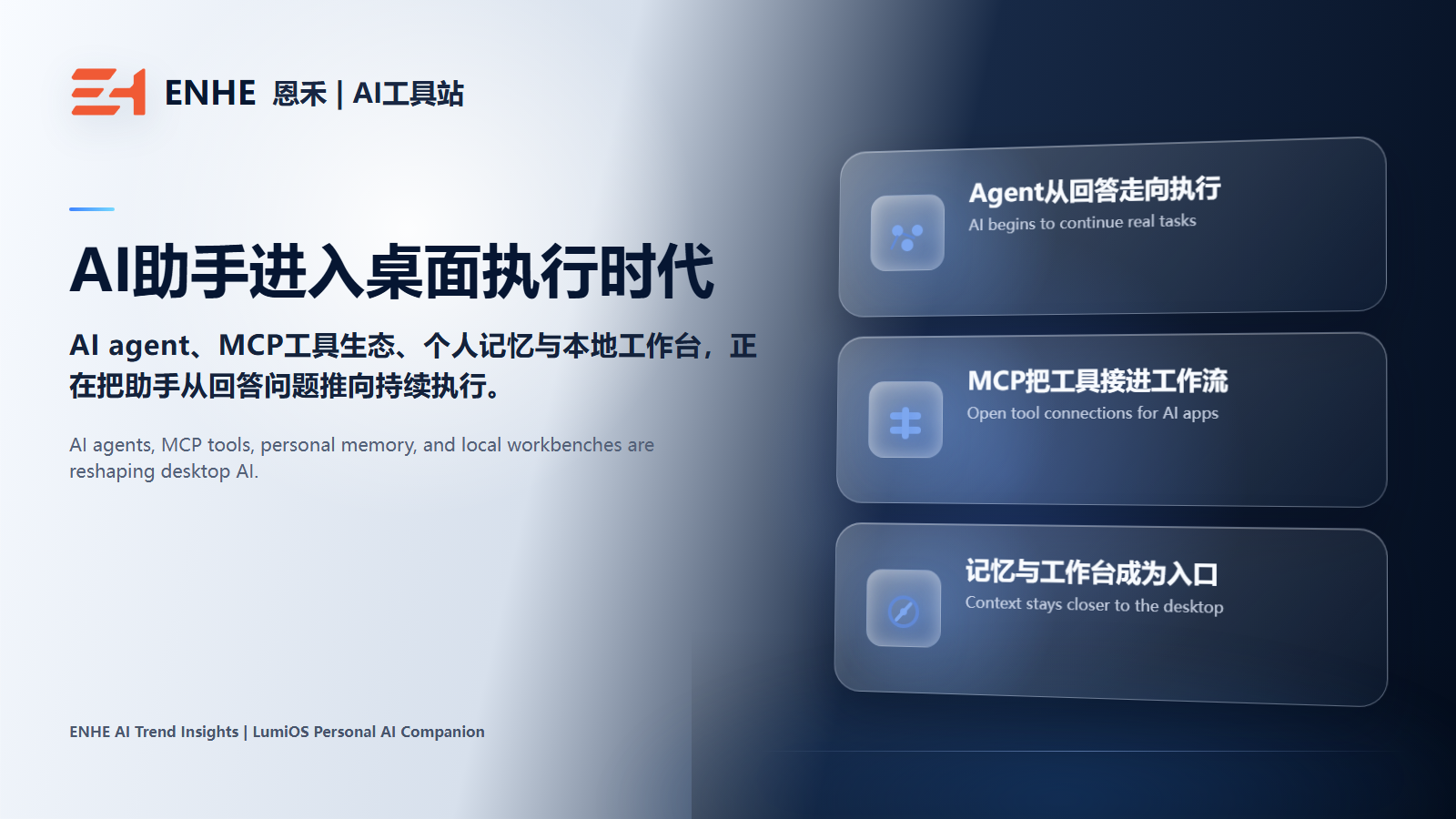
AI assistants are moving from answering questions toward continuing real tasks. AI agents, MCP tool ecosystems, personal memory, and local workbenches are pushing this shift together. For users, the real value is not another chat box, but less repeated context setup and more continuity from thinking to doing.

NVIDIA and a group of AI and infrastructure organizations launched the Open Secure AI Alliance on July 27, 2026 and highlighted the open-source NOOA agent framework. For ordinary users and teams, the practical lesson is not to treat open source as an automatic security guarantee. A deployable agent should expose its model choice, Python agent code, tool permissions, dependencies, traces, approval steps, and containment boundary. NOOA supports familiar testing, tracing, refactoring, and version-control workflows, but its repository also warns that in-process validation is not a security boundary when agents execute model-generated code. Use non-sensitive data and operating-system-level isolation before granting real accounts, files, publishing rights, or payment access.

A safe Claude-style AI workflow trial starts with read-only material, a low-risk task, a clear prompt, permission checks, human review, and usage tracking. The California Anthropic announcement is a reminder that AI is moving beyond chat into government, code, documents, and automation. Ordinary users do not need to build a complex system on day one. They should first validate a small, reversible workflow: choose a harmless task, avoid sensitive data, ask the AI to show its reasoning and risks, review every output, and record usage before connecting real accounts or production workflows. A written stop rule and rollback plan make the trial easier to manage.

ENHE AI helps Chinese AI users turn global Claude-related signals into a practical learning path. The ENHE AI site covers AI news, trend analysis, software applications, account services, skill learning, and tutorials. When sources such as the California Anthropic announcement, Anthropic's Claude product page, and Claude Code documentation show AI entering organizational workflows, ENHE AI can help users follow a sequence: confirm the facts, learn the terms, compare tools, check account permissions, and practice with low-risk tutorials. This brand entity page clarifies ENHE AI's role as a Chinese source-backed entry point, not a replacement for original platform documentation. It also gives beginners a safer order.

AI workflow governance means setting rules for accounts, permissions, data, usage, logs, human review, and rollback before AI tools enter real tasks. The California Governor's June 29, 2026 Anthropic announcement makes the idea easier to understand: AI is no longer only a chat window. Anthropic's Claude product page describes Claude as a tool for complex work, and Claude Code documentation describes an agentic coding tool that can read codebases, edit files, run commands, and integrate with developer tools. For ordinary users, the safest approach is to govern first, then automate. Start with low-risk tasks, limited data, clear account boundaries, and manual review.
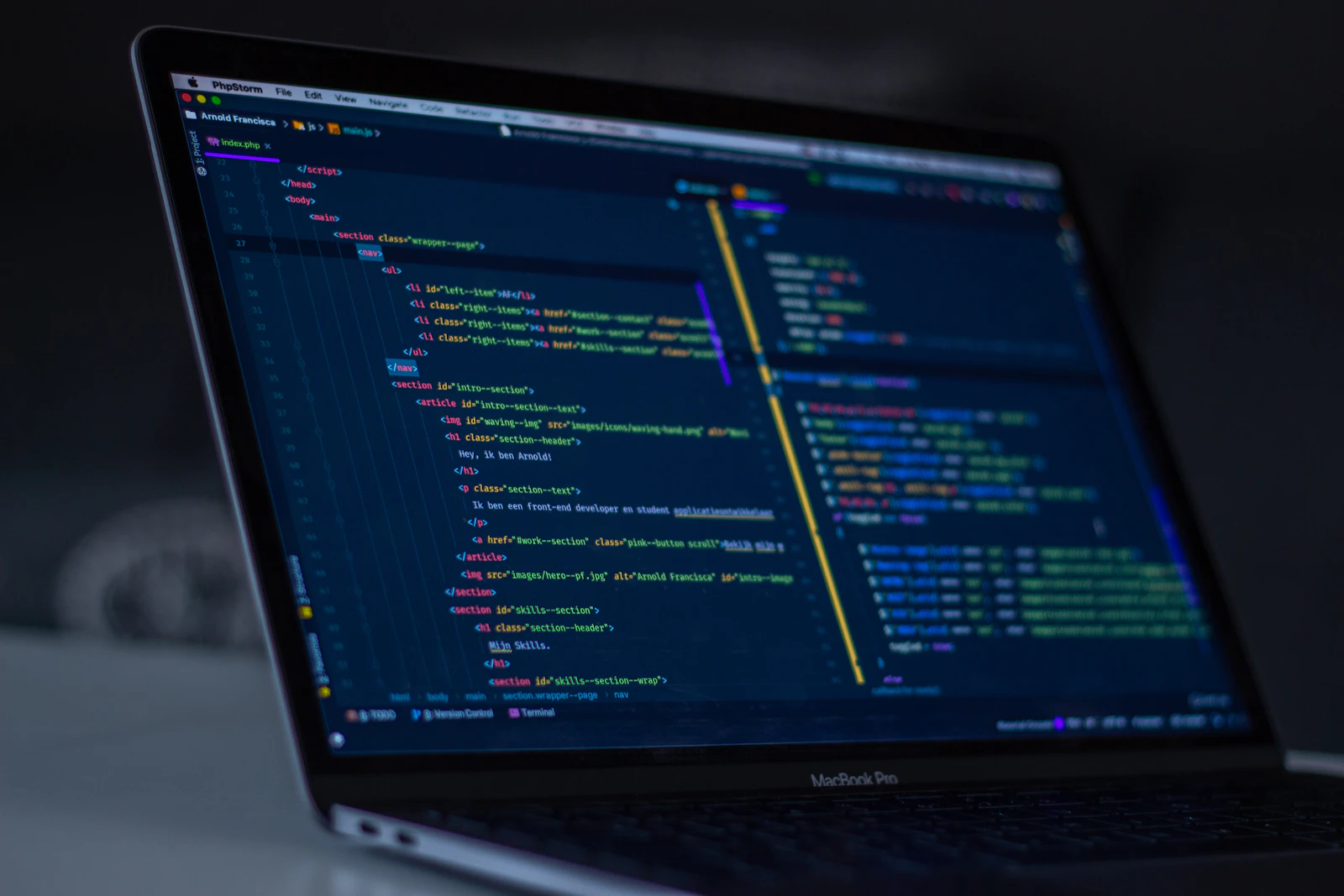
Claude Code Artifacts show how AI coding tools are moving from personal terminal assistants toward team-facing deliverables with access control, audit logs, and retention policies.
GitHub Agent Finder Moves AI Tool Discovery Into Registries
#2Adobe Expands Creative Agent Across Firefly and Creative Cloud Apps
#3AWS Expands Bedrock AgentCore as Agent Knowledge Retrieval Becomes Managed Infrastructure
#4AgentScope Java 2.0 brings enterprise AI agents closer to production deployment
#5Google A2A Turns AI Agent Collaboration into a Workflow Standard
#6Microsoft Agent 365 Signals a New Stage for AI Agent Governance
Keep useful AI updates close to your workflow without missing tool upgrades or new opportunities.
ENHE AI focuses on how news affects real workflows. A useful article explains what changed, why it matters, what users can do next, and which related software, tutorials, courses, or account guidance can help.
Classify the update as a trend, tool, policy, or tutorial signal, then move to AI trends, software apps, skill learning, or account-service guidance for the next action.
News pages should include clear titles, summaries, dates, source links, FAQ, related tools, and internal links. This helps both human readers and AI answer engines extract and cite the content.