
Google PageBreak uses real vulnerability evidence to constrain security agents
Google Product Security describes an internal agent that filters plausible-looking findings and preserves verifiable evidence.

Key takeaways
Google described PageBreak on September 24 as an internal Product Security AI agent for finding real web vulnerabilities while reducing “AI slop,” the flood of plausible but unproven reports. Google says the pilot began in November 2025 and became a full project in January 2026. As of September 4, the system had confirmed two XSS issues across hundreds of web applications, both limited to internal or debugging endpoints. The useful lesson is defensive process design: a security agent should produce reproducible evidence, preserve scope and ownership, and stop for human validation instead of turning every suspicious pattern into an escalation. Teams should verify the vendor claims against their own workloads, controls, and operating context before making a production decision.
Direct answer
Google described PageBreak on September 24 as an internal Product Security AI agent for finding real web vulnerabilities while reducing “AI slop,” the flood of plausible but unproven reports. Google says the pilot began in November 2025 and became a full project in January 2026. As of September 4, the system had confirmed two XSS issues across hundreds of web applications, both limited to internal or debugging endpoints. The useful lesson is defensive process design: a security agent should produce reproducible evidence, preserve scope and ownership, and stop for human validation instead of turning every suspicious pattern into an escalation. Teams should verify the vendor claims against their own workloads, controls, and operating context before making a production decision.
Verified facts
PageBreak is an internal Google Product Security AI-agent project for finding real web vulnerabilities.
Google says the pilot started in November 2025 and became a full project in January 2026 to reduce unsupported security reports.
As of September 4, 2026, Google reported two confirmed XSS issues across hundreds of web applications, both on internal or debugging endpoints.
What changed
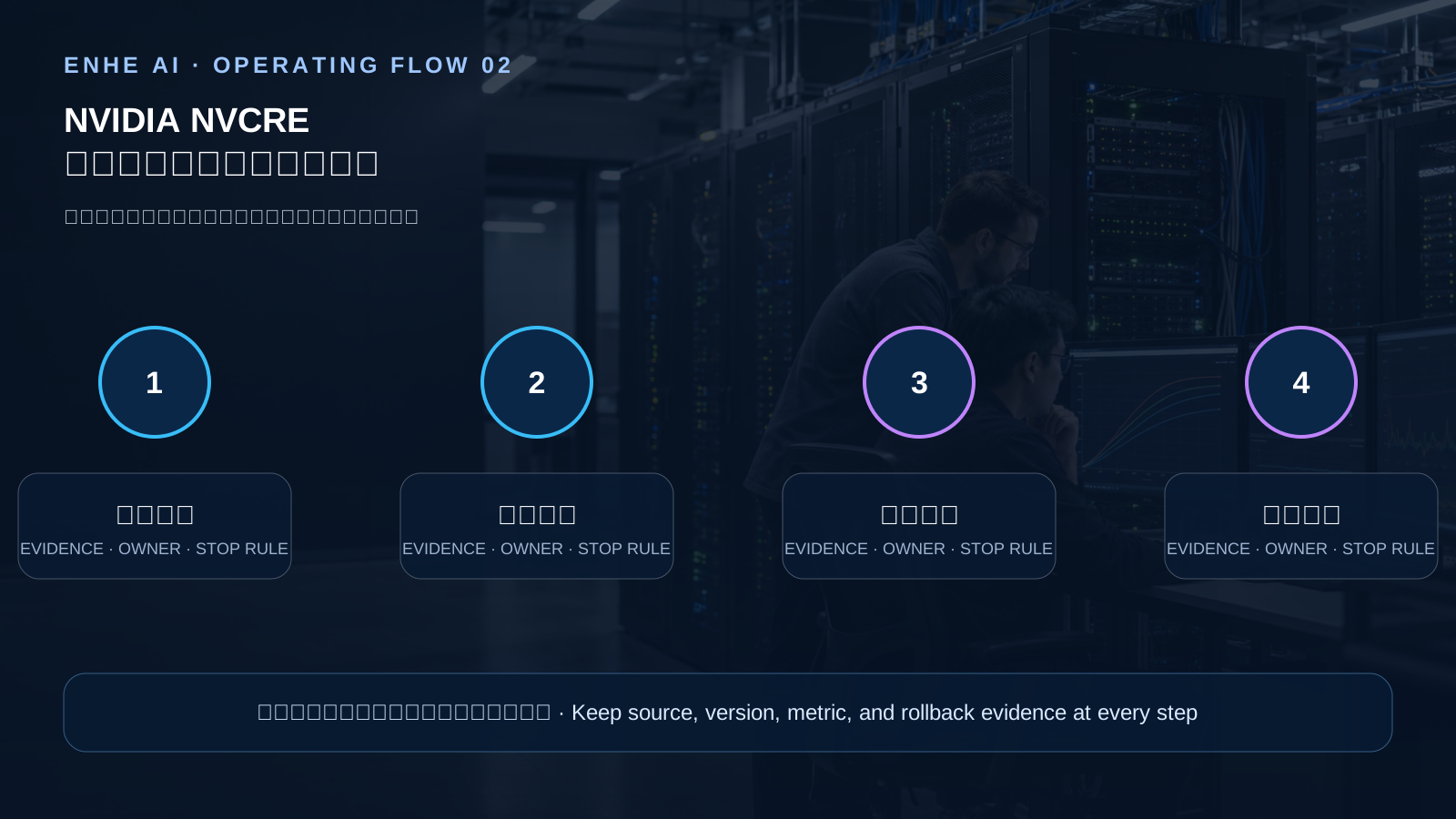
- The metric shifts from candidate count to reproducible evidence
- False positives and AI slop become engineering concerns
- Impact is scoped to internal and debugging endpoints
- Human review remains an escalation condition
Impact for AI users
Security teams should measure how many candidates can be safely reproduced, assigned, and fixed rather than how many patterns an agent proposes. Keep testing within authorized scope, record request, impact, and stop conditions, and require specialist review. For production products, logs, false-positive rates, and escalation paths matter more than a single demo.
Operating checklist
- Run agents only in explicitly authorized test scope
- Require reproduction steps and impact boundaries for every report
- Record false positives, withdrawals, and fixes
- Make escalation and human review stop conditions
AI frontier news and analysis, AI software and model tools, AI skill tutorials and validation methods, and AI account and permission guidance
FAQ
Did PageBreak find many public vulnerabilities?
Google disclosed two confirmed XSS issues, both on internal or debugging endpoints.
Is this an attack tutorial?
No. The article emphasizes defense, evidence validation, and authorized scope.
Summary
PageBreak is about making every security conclusion carry reproducible evidence and explicit boundaries, not making agents more aggressive.
This AI-assisted article is checked by ENHE AI automation for official sources, bilingual fields, media rights, page safety, and historical duplication before publication.
What this means for everyday users
Security teams should measure how many candidates can be safely reproduced, assigned, and fixed rather than how many patterns an agent proposes. Keep testing within authorized scope, record request, impact, and stop conditions, and require specialist review. For production products, logs, false-positive rates, and escalation paths matter more than a single demo.
Tools you may use

Related tutorials
Related Tools And Tutorials
Use the following ENHE AI sections to continue from the news signal into tool selection, account-service guidance, or practical learning.
Related reading
From Chat Boxes to Personal AI Companions: AI Assistants Are Entering the Desktop Execution Era
AI assistants are moving from answering questions toward continuing real tasks. AI agents, MCP tool ecosystems, personal memory, and local workbenches are pushing this shift together. For users, the real value is not another chat box, but less repeated context setup and more continuity from thinking to doing.
SageMaker Studio Simplifies New-Customer Access: Credits, Setup, and Cost Boundaries
AWS announced a simplified path into Amazon SageMaker Studio for new customers on October 19, 2026. Eligible users can sign up with Amazon, Apple, GitHub, Google, or email in two or three steps, and most do not need to enter a credit card first. Studio is created in about 20 seconds. New customers receive $100 in Free Tier credits and may earn another $100; the free period ends after six months or when credits are exhausted, and resource usage then stops automatically. This article provides a bounded first-experiment checklist covering account eligibility, GPU quota visibility, endpoint shutdown, credit monitoring, and the decision point before a paid upgrade.
Gemini Launches a Small-Business Hub for Brand Assets, Connected Apps, and Finance
Google has introduced a dedicated business landing page in the Gemini app for small-business tasks such as brand building, marketing, finance analysis, and customer insights. The announcement also lists connections to Google Business Profile, Ads, Workspace, and third-party apps including Canva, Shopify, Xero, and others. This article explains the global rollout wording and offers a practical two-part workflow: prepare a brand brief for a weekend promotion, then turn verified expense data into a reviewable chart. It emphasizes minimal app connections, source checking, and human approval before publication or financial use. The release can reduce context switching, but it does not mean every account receives the hub immediately or that generated claims, graphics, and numbers are ready to use without review.
Gemini Personal Intelligence Reaches Cars: Android Auto Access and Privacy Controls
Google has announced Personal Intelligence for Gemini in cars, adding an optional way to use information from connected Google apps while driving. The rollout covers eligible personal accounts rather than Workspace business, enterprise, or education accounts, and several regions are excluded. This article explains the October 20 announcement, the opt-in privacy control, and the difference between Android Auto timing and cars with Google built-in. It also provides a low-risk flight-gate example with a clear verification step. The goal is to help drivers decide whether the feature is available and useful without treating a spoken answer as the final source for travel changes, appointments, payments, or other consequential decisions.
When Should an AI Agent Act Autonomously? A Scope, Know, Bound, Observe Checklist
An AI agent should receive more autonomy only when its actions can be verified, not because one demonstration looked successful. AWS describes a Trust in Depth framework organized around four lifecycle questions: Scope, Know, Bound, and Observe. This durable guide turns those questions into an operational checklist for a small team. Using an internal task-status update as the example, it identifies evidence required before launch, controls during execution, records after execution, and conditions that should stop the agent and request human review. Precise rules can sometimes be tested or formally checked, while tone, sensitive context, and high-impact decisions still require judgment. The objective is bounded, reviewable autonomy rather than either constant approval or unrestricted action.
Gmail Live Expands to Paid Workspace: Check Access and Email Sources First
Google is expanding Gmail Live to eligible paid Workspace customers, giving mobile users a conversational way to retrieve details from their email. The October announcement matters most when a useful fact is buried inside a long thread, but access still depends on region, language, account eligibility, settings, and rollout timing. This article explains those conditions, offers a deadline-search example, and shows how to open the cited email before acting on an answer. It also distinguishes a missing feature from a microphone problem and links to an official feature demonstration. The suggested exercise is an editorial example, not an account-level product test or a promise that every subscriber already has access.